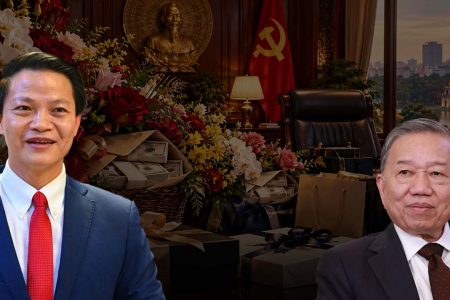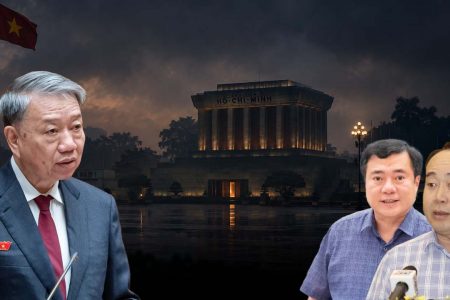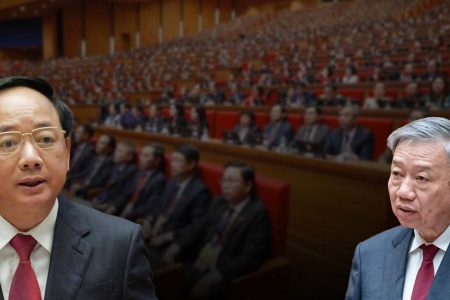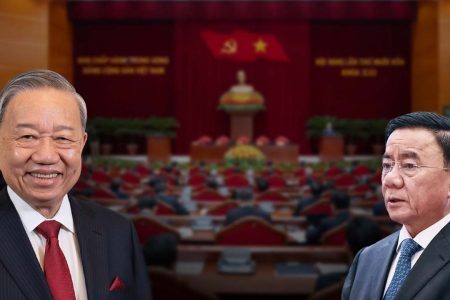
A prize bearing the name “peace” was awarded in Moscow to a foreign leader. The media reported the news en masse, and congratulations poured in one after another. The occasion was so solemn that people almost forgot to ask: What, after all, does this prize really mean? It is noteworthy that the award was established amid Russia’s ongoing war in Ukraine—a protracted conflict that has caused casualties and forced millions to flee their homes. Yet, against this backdrop, a peace award was still presented.
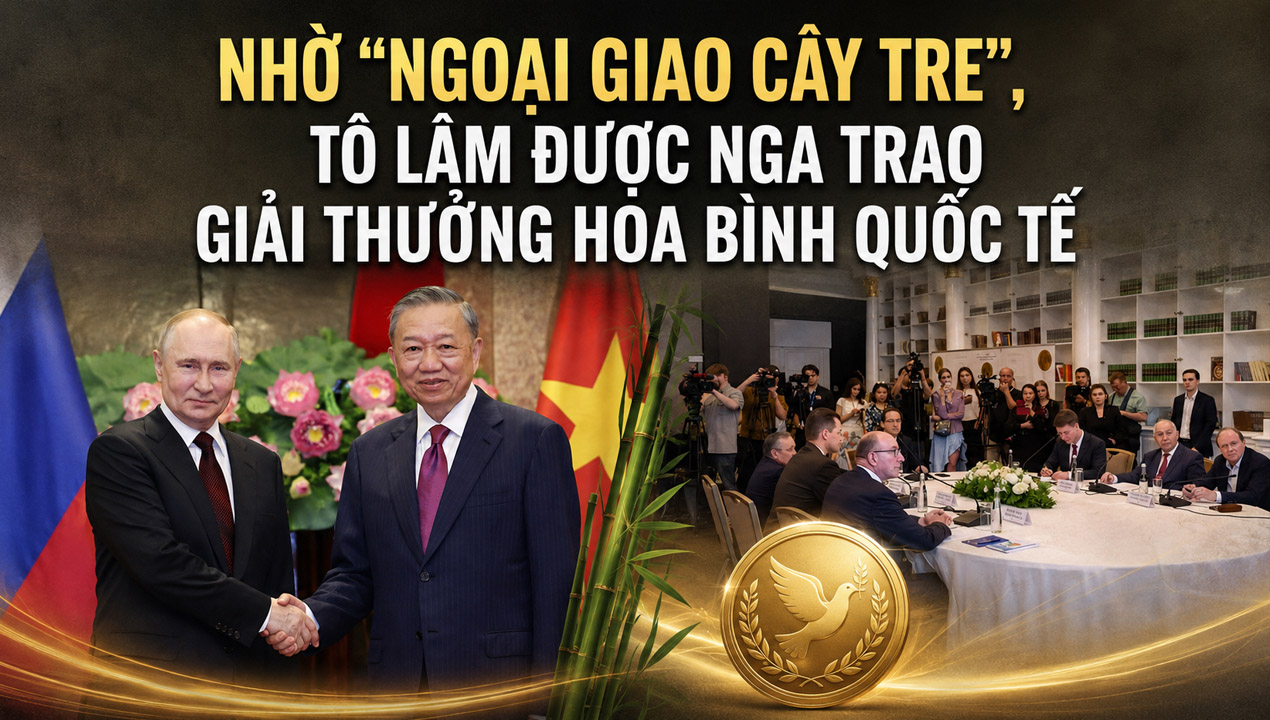
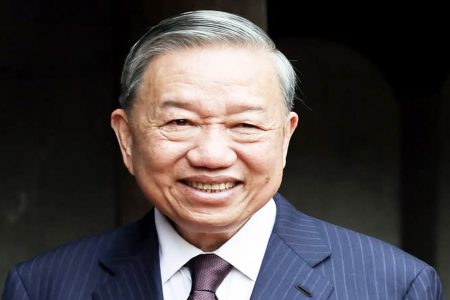
And the honoree was To Lam, whose contributions to promoting peace and cooperation among nations were highly praised by the Russian side. Viewed through a satirical lens, this is indeed an intriguing paradox: one side presents the award, the other accepts it, and both stand under the spotlight of a title bearing the name “peace.” Outsiders can only wonder: is this a genuine recognition, or merely a beautifully packaged diplomatic gesture?
Perhaps “bamboo diplomacy” does bear fruit at times. The only thing is, when the flowers bloom in Moscow, one has to ask: does this award truly honor peace, or does it simply show that every country has its own unique way of defining those two words?
https://www.facebook.com/share/p/1HhLLDhAEc/