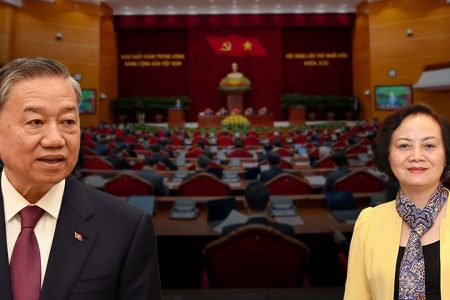
GDP growth is good news. But if the impressive numbers in the reports don’t translate into people’s daily meals, rent, and incomes, that joy remains a distant reality. A growth target of 10% or higher sounds ambitious, but stepping out onto the streets reveals no shortage of deserted markets, small vendors waiting impatiently for customers, closed shops, and storefronts with “For Lease” signs hanging. So where exactly is the economy “accelerating”?
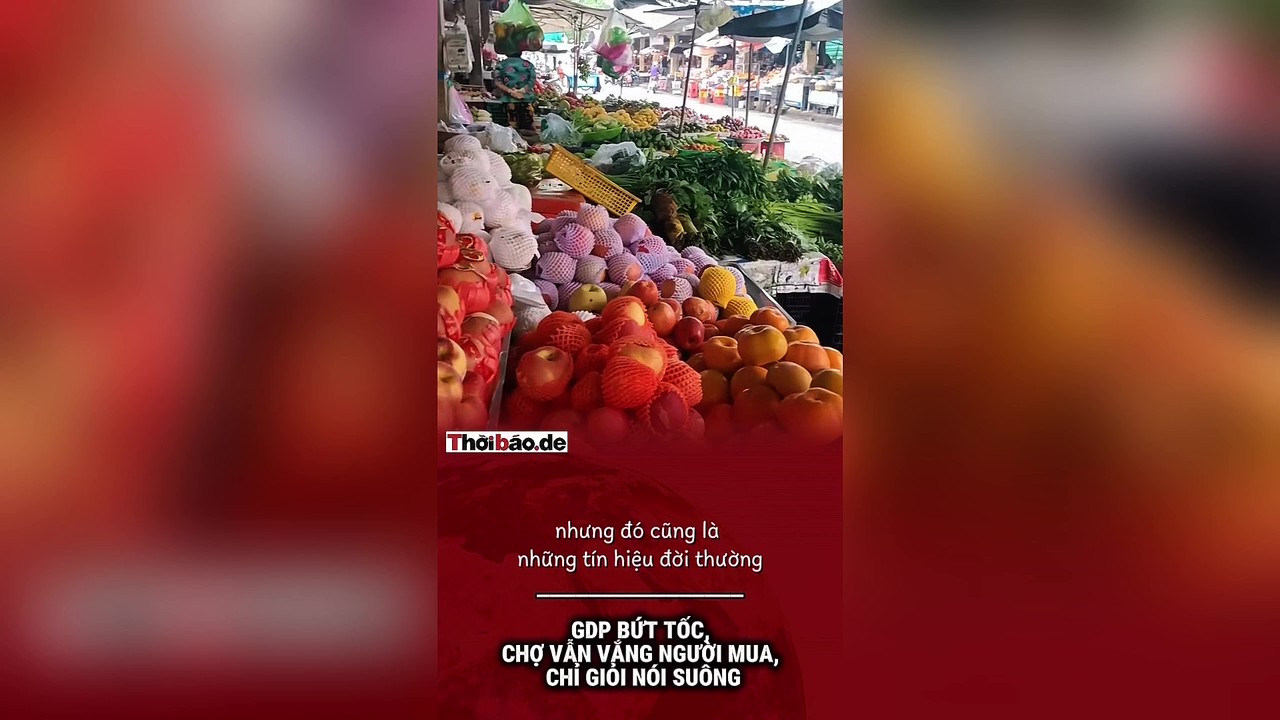
Of course, a few quiet markets cannot represent the entire economy. But these are everyday signs worth paying attention to. While GDP is an important indicator, it is not the only measure of a nation’s health. A truly healthy economy must be felt through people’s purchasing power, employment, income, and the ability to maintain a stable livelihood.
If GDP is rising but vendors are still struggling to make sales, small businesses are still struggling to survive, and workers are still having to tighten their belts, then the question we should be asking isn’t “Is GDP growing?” but rather: To what extent are the fruits of this growth reaching people’s daily lives? After all, the economy isn’t a competition to see who has the best numbers; it’s about whether people are living better lives.
https://www.facebook.com/share/v/19H2625nuM/