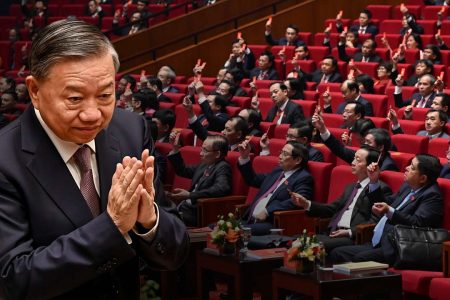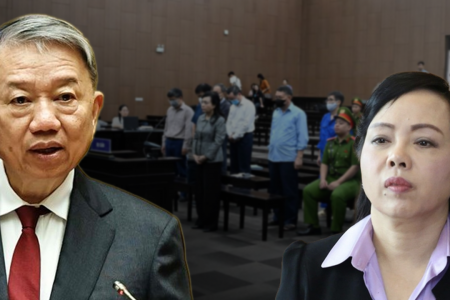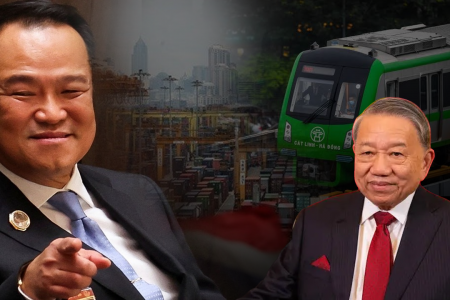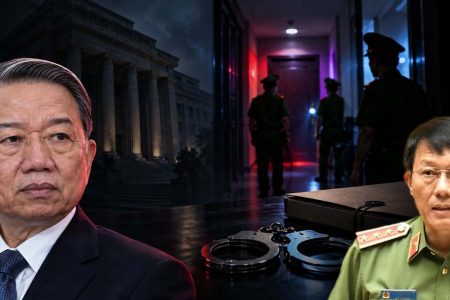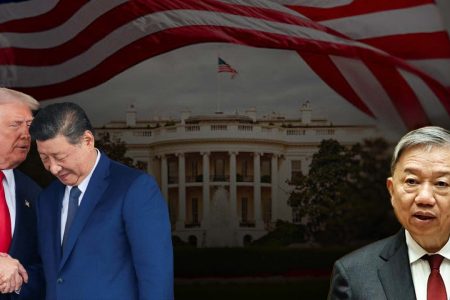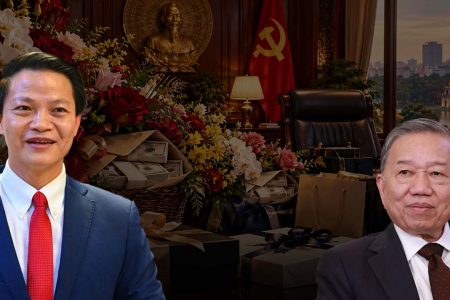
General Secretary Tô Lâm’s upcoming visit to the United States in February 2026 to meet President Donald Trump is taking place in a deeply paradoxical context—one in which Washington’s highest diplomatic courtesies are being overshadowed by suspicion from within Hanoi itself.
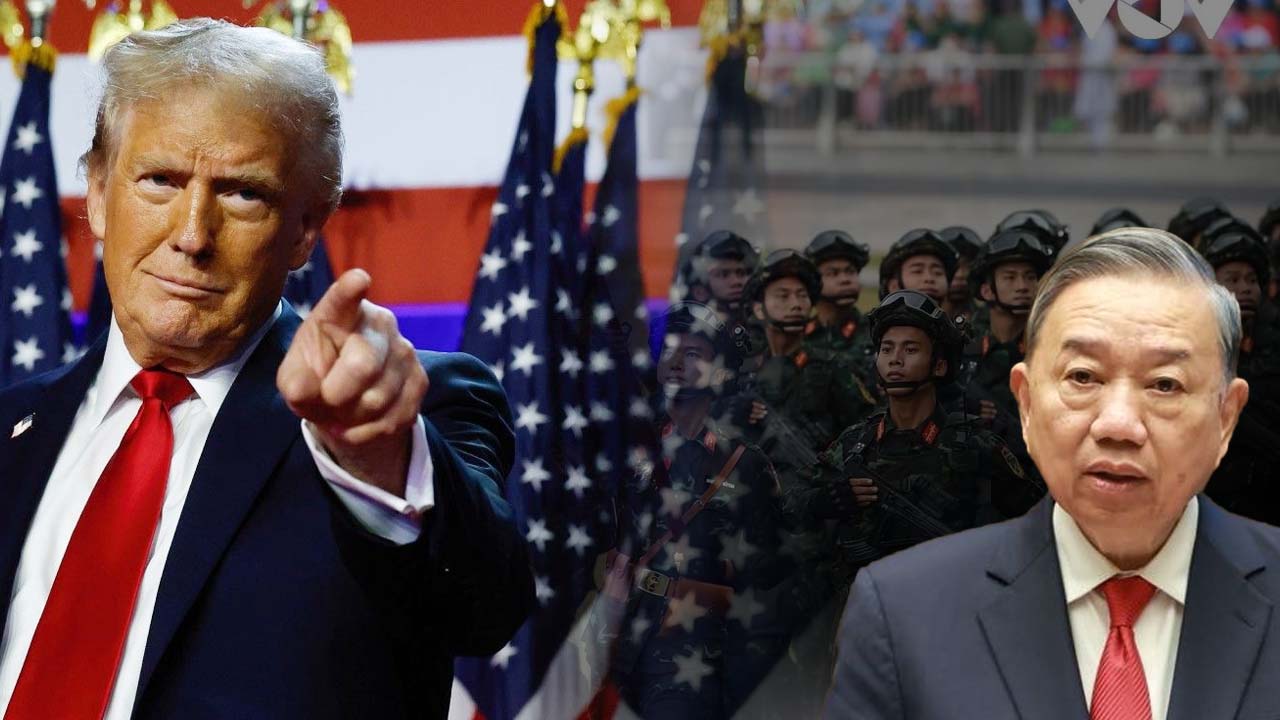
While Vietnam’s state media is working hard to portray Tô Lâm as a confident leader, ready to negotiate with President Trump to defend national economic interests—especially on the issue of tariffs—international observers are focusing their attention on a leaked confidential document from Vietnam’s Ministry of National Defense, reportedly emerging in January 2026.
Notably, according to international sources, this document was completed around the same time Tô Lâm officially assumed supreme power in August 2024, and it has exposed a serious dilemma for the trip.
How will General Secretary Tô Lâm and his entourage deal with Donald Trump when, just over a year after the “comprehensive strategic partnership” with the United States was established, Vietnam’s own security and defense apparatus is said to regard America as a potential invading enemy?
The leaked document—titled “America’s Second Invasion Plan of Vietnam”—has poured cold water on the reform and diplomatic efforts for a “new era” that Tô Lâm is trying to build.
According to the leaked content, Vietnam’s defense leadership still maintains an “extreme” view of the United States, seeing it as an aggressive great power allegedly plotting to use non-traditional tactics to overthrow the regime in Hanoi.
Specifically, a “color revolution” or “peaceful evolution” carried out through civil society organizations appears to have become a core ideological framework within the military faction’s strategic planning institutions.
This creates a deep rift between, on one side, General Secretary Tô Lâm’s pragmatic, reform-oriented, West-leaning tendency, and on the other, the military faction’s intense defensive instinct against the United States.
Political analysts say the dilemma becomes even more serious as Tô Lâm faces uncertainty from the Trump 2.0 administration.
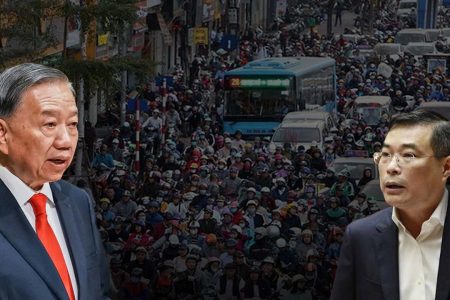
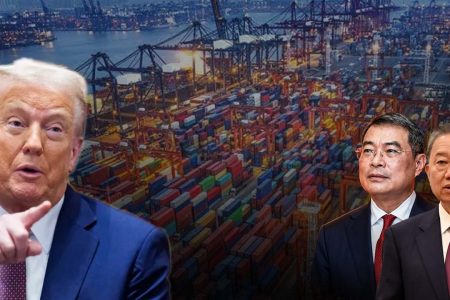
While Hanoi is struggling to find ways to respond to a 40% tariff rate on exports—after the Trump administration accused Vietnam of serving as a transshipment point for Chinese goods relabeled as Vietnamese—anti-U.S. documents from the “Beijing-leaning” military faction become extremely disadvantageous evidence at the negotiating table.
For Trump, a president who values blunt fairness and pragmatism, a Vietnam that on the one hand demands trade preferences while on the other quietly prepares scenarios for military confrontation sends a signal of strategic unreliability.
This is why Tô Lâm is seen as being trapped in a “no-win” situation: if he moves too close to the United States to rescue the economy, conservative forces within the Party and the military faction may accuse him of deliberately “deviating from the socialist trajectory.”
But conversely, if Tô Lâm is forced to accommodate the military faction’s anti-U.S. mindset, Vietnam will almost certainly pay the price in the form of a severe economic crisis caused by U.S. tariff sanctions.
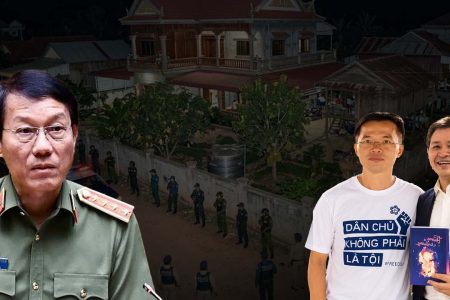
The attack on Fulbright University—a symbol of Vietnam–U.S. relations—during the early period after Tô Lâm became General Secretary was, in essence, warning shots from conservative forces.
They want to demonstrate that all of Tô Lâm’s efforts to open up the country carry risks tied to the regime’s survival. This contradiction has turned his U.S. trip into a life-or-death gamble for consolidating internal power.
Tô Lâm’s “total victory” after the 14th Party Congress will only truly matter if he can resolve this core contradiction.
Tra My – Thoibao.de